Operator advisory · TPAs, MGUs, vendors, provider-sponsored plans

Operating and strategy leadership, without the full-time hire.

A separate practice for the health services organizations that run the work. Fractional COO and CSO leadership: where the business is going, and whether the operation can get it there.

Most leaders came up through one side of the house.

Some are operators who run a tight shop but can't see the market moving. Others are strategists who read the market well but have never had to staff a claims team to a service level.

The gap shows up the same way every time. Either there's a growth plan the operation could never deliver, or an efficient business that isn't headed anywhere in particular. At the size most TPAs, MGUs, and vendors run, you can't afford two executives to close it.

I came up through operations: TPA leadership, claims, account management, and a claims repricing and direct contracting business. Strategy came on top of that. So when I say a direction is viable, I mean your claims team, your account managers, and your systems can deliver it, not just that the market looks attractive.

Fractional COO / CSO

Ongoing executive leadership for an organization that needs the judgment but can't justify the full-time seat yet. On the operating side, that means process architecture, service model design, staffing structure, partner management, and the operating cadence that keeps it from drifting. On the strategy side, it means where the business should be in three years, which markets are worth entering, what to build, buy, or partner for, and what to stop doing.

Set days per month · Six or twelve month terms

Major escalation resolution

A large client relationship is on fire and the account team has done what it can. I come in, establish what actually happened, build the recovery plan, and help you have the conversation with the client. It's often the difference between a save and a termination notice.

Growth strategy and new verticals

Entering a market you haven't served, launching a product line, or building a capability you've been buying. I cover the market and competitive read, feasibility, operational design, build versus buy versus partner, and a staged rollout. You also get an honest answer on whether the organization can carry it before you commit the capital.

Large sales cycle readiness

Getting ready for opportunities much bigger than your current book. Where your operational story breaks under diligence, which claims won't hold up in a finals room, what a sophisticated consultant will ask, and how to answer without promising something your operations team then has to deliver. This is where running both seats matters most. The pitch and the delivery have to be the same thing.

Team development and tune-ups

Self-funding fundamentals for teams who administer plans without ever being taught how the whole machine fits together. Account management tune-ups covering escalation handling, renewal conversations, reading a claims file, and knowing when to escalate internally. Onsite or remote, built around your book instead of a generic curriculum.

Retainer, project, or training.

Fractional retainer for ongoing COO or CSO leadership. A set number of days per month, agreed in advance, on a six or twelve month term.

Project engagements for a defined outcome: an escalation resolved, a vertical designed, a sales organization ready by a date.

Training priced per session or per cohort, onsite or remote.

Fees are quoted against scope before work begins. Same as the plan side, I don't work on contingency, commission, or a share of revenue, and I don't take equity for advisory work.

I've carried the numbers you're carrying.

Nearly twenty years on the operating side of this market: TPA leadership and operations, claims leadership, account management, and executive leadership at a claims repricing and direct provider contracting organization.
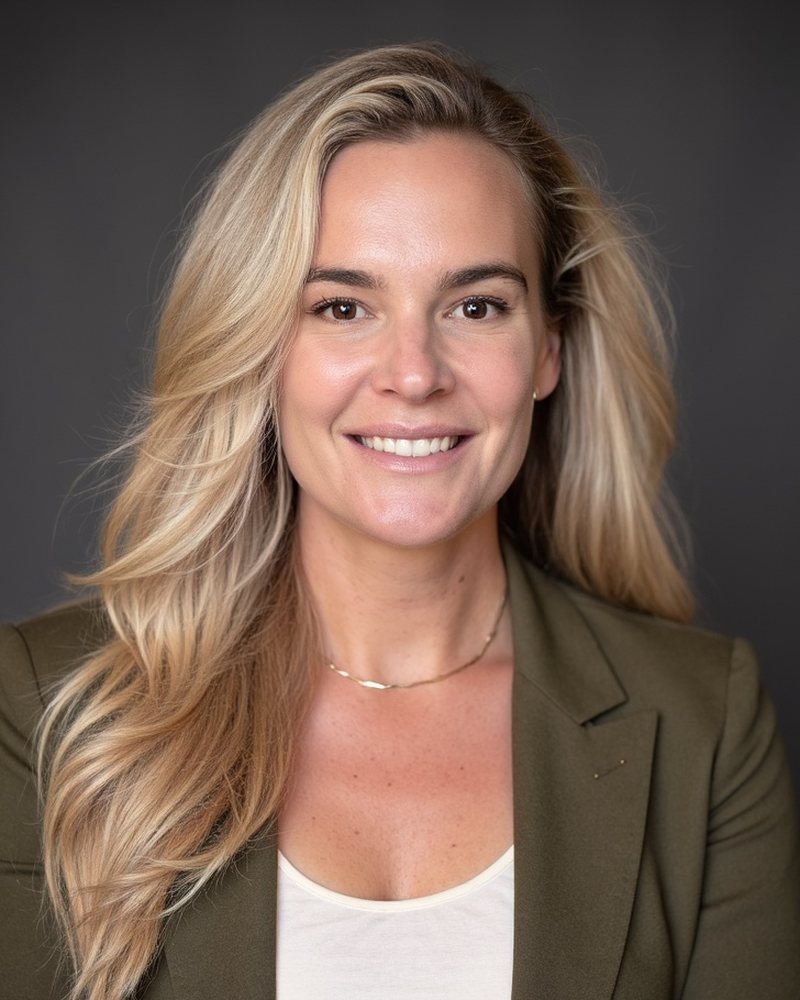
Aly Hollewijn, founder of Patron Health
Aly HollewijnFounder · Patron Health

Specifically, I've built and deployed community-owned health plans, negotiated directly with health systems, run implementations, launched two first-of-their-kind products, and scaled operational teams from early stage through market maturity. That included a stretch of roughly 3,000% growth with client retention held at 98%.

Why that matters here

I know what it costs to add a service line because I've staffed one. I know which system limitations are real and which are a vendor's unwillingness, because I've been on both ends of that sentence. And I know what a sophisticated benefits consultant will ask in a finals room, because I've been the one answering.

That's the difference between advice you can act on and a recommendation your team then has to figure out how to deliver.

The work I want most is the room: your leadership team, the numbers on the table, and the strategy taken apart until it either holds or gets rebuilt. You're about to commit people and capital to a direction, and that deserves a hard, honest conversation before you do, not a deck that nods along. I'm there to pressure-test the plan, name what your operation can't carry yet, and leave with one it can. More about me →

Regulatory fluency

I've contributed to federal rulemaking on the No Surprises Act and the CARES Act, and I serve on the Society of Professional Benefit Administrators Transparency Taskforce. If you're deciding how much to build toward a compliance requirement, knowing what a regulation actually requires versus what the market assumes it requires is usually worth real money.

TPA · Claims · Account management · Repricing & direct contracting
BS Health Care Administration, minor in Project Management, George Fox University
MBA Finance in progress, Southern Utah University
SHRM-CP · Lean Six Sigma Black Belt

Conflict policy

How the two practices stay separate.

Patron Health's primary practice is independent advisory for self-funded plans, and that work includes evaluating vendors and holding them to their commitments. This practice serves the same kinds of organizations. That's a real tension. I manage it with disclosure instead of pretending it isn't there.

This market is small. Anyone who says they have no relationships with the vendors they evaluate is either new or not telling you everything. What protects you is knowing about those relationships before you rely on my judgment, and getting to decide whether they matter.

Active clients: not your call to make

  • I will never evaluate an organization for a plan while I'm advising that organization. If a vendor in your stack is a current client of mine, you're told before anything is scoped, and they come out of my scope entirely, or I step away from the engagement.
  • I don't hand you that as a judgment call. It happens whether or not you'd have been comfortable with it.
  • I hold no financial interest in the outcome of any evaluation. No commissions, revenue shares, finder's fees, or equity, on either side of the practice.
  • Nothing crosses between the two sides. No introductions, referrals, or client information in either direction. I don't sell a vendor's services to a plan, or a plan's business to a vendor.

Past clients: disclosed, and yours to decide

  • Before I accept any plan-side engagement, I disclose in writing every advisory relationship I've held with a vendor in that plan's stack over the prior two years.
  • A finished relationship isn't automatically disqualifying, so you have three options: proceed with me evaluating them, keep me out of that vendor while I handle the rest, or decline. It's your call.
  • Any plan-side client can ask for my current and recent vendor-client list at any time, and they'll get it.
  • If a vendor relationship starts mid-engagement, you hear about it before it starts, not at the next review. The active-client rule applies from that moment.

In practice

01

I check before I quote

Before any plan-side engagement is scoped or priced, I run your vendor stack against my client history: active engagements, and anything in the prior two years.

02

You get it in writing

If there's overlap, you receive it before we talk fees: who, when, and what the work involved. Most important, you learn whether it's active or finished, because that decides everything else. You don't have to ask, and you don't find out later.

03

You decide

If the relationship is finished, all three options are open: proceed, carve that vendor out, or decline. If it's active, the carve-out already happened before you were asked. Either way, walking away costs you nothing. There's no invoice, and I'll point you elsewhere if I can.

Past experience with a vendor isn't automatically a conflict. Undisclosed experience always is.

Why this practice exists at all

Nearly twenty years of my career were spent inside these organizations. That's why my plan-side work has teeth. I know how a TPA is actually staffed, what a claims system can and can't do, and what "we're looking into it" means depending on who says it.

And why it stays current

Operational knowledge goes stale fast. Working inside these organizations is what keeps my read accurate instead of five years out of date. Plans benefit from that, and the rules above keep the benefit from turning into a cost.

Tell me what you're working on.

An escalation that needs resolving, a build you're weighing, a team that needs to get sharper. Describe it and I'll tell you honestly whether I'm the right person for it.

Open the contact form

Select “A TPA or MGU” when you reach out