Independent operational advisory · Self-funded plans

I know your vendors from the inside.

Claims paying wrong. A vendor that isn't doing what it signed up for. Two parties blaming each other while the plan pays for it. I find the root cause, put a number on what it cost, and build the plan that fixes it.

No vendor commissions/No referral fees/No contingency

TPA PBM Stop-loss Care management Cost containment Network The plan Under contract The seams

Every vendor owns a piece. Nobody owns the seams.

A self-funded plan is built from parts: a TPA, a network, a PBM, cost containment, stop-loss, care management. Each vendor answers for its own piece, and each contract defines that piece as narrowly as it can.

So when claims pay against the wrong fee schedule for four months, or eligibility files quietly stop reconciling, or two vendors each say the other one owns it, the plan eats the cost. The broker gets the call. And every vendor on that call has a stake in where the blame lands.

That's the gap I work in.

I spent nearly twenty years on the vendor side. I can tell when a vendor made an honest mistake, and I can tell when they're managing you.

What I get called in for.

Vendor accountability
after go-live

Once a vendor is live, the question changes. It's no longer whether they can do the work. It's whether they're doing what they said they would when you signed.

I review implemented vendors against their commitments: service levels, turnaround, reporting, and the capabilities that won them the business. Where they're short, I document it and set terms to close the gap. Still choosing a vendor? That's Under the RFP.

Post-implementation review · Contract performance

Broken handoffs
between parties

Your TPA sends eligibility to your PBM. Your cost containment vendor reprices claims your TPA adjudicates. Your stop-loss carrier needs documentation from three sources. Every one of those connections can fail, and every failure sits between two contracts.

I map how work actually moves between your vendors, find where it stalls, and settle who owns each handoff. When two parties disagree about whose problem it is, I decide and say so plainly.

Process mapping · Ownership & escalation design

Complex claims and
payment integrity

Claims paying against a stale fee schedule. Repricing that doesn't match the direct contract. Adjudication errors that pass every individual audit because the problem is in the configuration, not the claim.

I go into the data, isolate the root cause, calculate what it has cost the plan, and build the correction plan. Then I set the accountability: who fixes it, by when, how it gets verified, and what happens if the date slips.

Root cause · Exposure quantification · Remediation terms

COHP and multi-employer
arrangements

I've built, deployed, and maintained community-owned health plans: a shared network, aligned fee schedules, and common benefit design across dozens or hundreds of independent employers. They're some of the most complex structures in self-funding, and some of the most powerful when they work.

They're also where problems compound fastest. One misconfiguration replicates across every participating employer at once. I know where these arrangements break because I've built them.

Design · Deployment · Ongoing integrity
One-time engagement · Before you sign

Under the RFP

A proposal tells you what a vendor wants you to see. I sit down with your finalists and go underneath it before you place the business.

Every finalist has a polished answer to every question on the grid. Those answers are written by the people whose job is to win your business, not the people who will run your plan. I ask the question, take the first answer, and then keep going.

01

The mechanics

How work actually moves through their shop. What's automated today, what's still manual, and what's on a roadmap they're describing in the present tense.

02

The service team

"Your account manager is your single point of contact." Fine. Does that person have the authority and experience to solve problems, or only to pass them along? And I'll ask for references from clients who left for a competitor, not just the ones who are happy. They'll tell you what the references won't.

03

The technology

Every vendor sells a demo. I find out whether the system does that today, for a plan structured like yours, without custom development.

04

The org structure

The real org chart, the escalation paths, and the subject-matter experts behind claims, eligibility, and compliance. How many reorganizations in the past two years, and where the turnover sits. Churn in claims or customer service is normal. Churn in account management, product, or leadership is a flag.

05

The leadership

Who makes the decisions and how they build their team. If the answer is "experience," how do they also find people who think ahead without losing that knowledge? Will they hire remote to get the right person, or does being in the office come first?

Most of these questions don't have a wrong answer. You just need to know the answer before you sign, not after.

What you get

A written read on each finalist: where they're strong, where they're thin, and what you'd be conceding by choosing them. That includes the areas where waiting on their development is a reasonable bet, and the ones where it isn't. You also get the follow-up questions for finals and the contract terms worth pushing on.

How it runs

Quoted by scope, no retainer required. It works alongside your broker's or consultant's RFP process, not in place of it. The same conflict policy applies as all plan-side work: if a finalist is a current operator-side client, they're out of my scope before you're quoted.

On retainer, so I already know your plan when something breaks.

Operational problems don't announce themselves. By the time you can see one, it has usually been running for months, and bringing in a consultant then means paying someone three weeks to learn your plan.

A modest monthly fee keeps me current on your vendors, contracts, fee schedules, and history. When something goes wrong, I start that day.

I'm not an outsourced account manager. I don't run enrollment, handle day-to-day service, or sit between your members and your TPA.

I also don't do the remediation. If six hundred claims paid wrong, I find the root cause, size the exposure, build the correction plan, and name who owns it, by when, and what happens if they miss.

The responsible party does the work. They're the ones who should, and that's what accountability means.

Included in the retainer

  • Standing availability for escalations
  • Ongoing familiarity with your vendor stack and contracts
  • Root cause investigation when issues surface
  • Written findings with quantified exposure
  • Remediation plans with named owners and deadlines
  • Facilitation between parties until resolved and verified

Scoped separately

  • Under the RFP: finalist vetting before you sign
  • The Stakeholder Summit: in person, every vendor
  • Full claims audits
  • Running a full vendor RFP and selection
  • Implementation oversight for a plan or vendor transition
  • COHP design and build

Quoted before work begins. Retainer clients get priority scheduling and preferred rates.

For brokers

I make you the person who solved it.

When a plan has a real operational problem, you get the call. It doesn't matter whether you caused it, whether your service agreement covers it, or whether your team is staffed for it.

I don't compete with you

I don't place coverage, hold appointments, or take commissions. I won't sell your client anything beyond the engagement you brought me into, and I'm not angling to become their broker.

I work through you, not around you

You decide whether I'm client-facing or behind the scenes. Findings come to you first, and you choose how they're delivered and by whom. If you'd rather present the analysis yourself, go ahead. I don't need to be in the room.

Built for independent firms

My model is designed for privately held and family-owned brokerages serving small and mid-sized plans. These firms have deep client relationships and no in-house operational bench. The national houses have internal teams for this. You shouldn't have to build one to compete with them.

Flexible engagement

Some firms put me on retainer across a book of business. Others bring me in client by client. Some bring me into finals presentations to show the operational depth behind their service model. And when a client is choosing a new vendor, Under the RFP slots into your search.

Add-on · In person

The Stakeholder Summit

Every vendor serving your plan, in one room, for one day, run by someone with nothing riding on the outcome and nothing to sell you.

On a status call, each vendor reports to you separately and nobody hears what anyone else said. Problems that live between two vendors stay there, and you get the version each of them wants you to have.

A room changes that. People keep commitments they made in front of the other parties. A constraint that gets vaguely mentioned over email gets explained properly when the person who has to work around it is sitting across the table.

I build the agenda from your actual data: open escalations, claims patterns, contract obligations, and service levels against what was promised. Every item on it is a real problem with a name attached.

Who's at the table

  • Plan sponsor: HR, finance, and leadership
  • Broker or benefits consultant
  • TPA, network, PBM, cost containment, stop-loss, care management
  • Any vendor mid-implementation or under review

Three tracks, one day

01

Operational

Open issues worked to resolution, or to a plan with a name and a date on it. Handoffs mapped in the room so every party sees where their piece ends and the next one starts.

02

Accountability

Action items with a named owner, an agreed deadline, and a defined consequence, accepted by every party before anyone leaves. Documented, distributed, and checked at the next session.

03

Education

Your team learns how the machinery works: what each vendor can and can't do, where the real constraints are, and which questions get useful answers. By month seven you're asking better questions without waiting for the next summit.

Before

I review your contracts, service levels, claims patterns, and open escalations, then interview each vendor on their own. The agenda comes out of what I find. Every party gets it in advance, so nobody shows up unprepared or feels ambushed.

After

A written record of every decision, owner, and deadline goes to all parties within a week. I check in at thirty and ninety days against the commitments. If something slips, everyone already agreed on the consequence.

Most plans have never had all their vendors in the same room. It shows.

Pricing

Floors are published. Nothing is billed by the hour.

Engagement
Rate
Floor

Community-owned health plans

Priced on aggregate covered lives across the whole arrangement, not employer by employer. Every participant shares a network, fee schedule, and benefit design, so one root cause investigation fixes the issue for all of them. A forty-employer arrangement pays once for work that would otherwise be scoped forty times. Participating employers are covered by the aggregate rate regardless of their own size.

Rate

From $6PEPM, aggregate lives

Floor

$7,500Per month

Plans over 150 lives

Per employee per month, stepping down as covered lives grow.

Rate

$6–$12PEPM

Floor

$3,000Per month

Plans from 25 to 150 lives

Small plans have the same complexity as large ones and fewer people to handle it. A per-employee rate rarely works at this size, so the fee is usually flat.

Rate

From $3,000Per month, flat

Floor

FlatNo PEPM floor

Brokerage book retainer

For firms carrying a number of small groups: one retainer at the brokerage level covering a defined book, instead of a separate arrangement per client. It's usually the only structure that works when most of the book is under 50 lives, and it gives the smallest groups the same operational bench as the largest.

Rate

From $4,500Per month, per book

Scope

DefinedBook agreed up front

Standalone groups under 25 lives

A monthly retainer doesn't fit at this size, so I don't sell one. Work is priced per engagement: a defined problem, diagnosed and root-caused, with a remediation plan and accountability terms. Optional standing access keeps me current on the plan between engagements and comes with preferred rates. Groups inside a COHP or a brokerage book are covered under those arrangements. This tier is only for employers that are truly standalone.

Rate

From $2,500Per engagement

Standing access

$2,400Per year, optional

Standalone project · No retainer required

Under the RFP

Deep-dive vetting of the vendors you're considering, before you place the business. Finalist sessions, a written read on each vendor, and the questions and contract terms to take into finals.

Rate

Quoted by scopePer vendor search

Retainer

Not requiredOpen to any plan

Add-on · Available to any tier

The Stakeholder Summit

In-person facilitated session with all vendors. Preparation, individual vendor interviews, agenda build, one full day onsite, written record, and 30- and 90-day verification.

Rate

From $12,500Per session, plus travel

Retainer clients

From $9,500Per session, plus travel

Annual agreements · 30-day exit after the first 90 days · Project work quoted separately · Engagements limited by capacity

These numbers also cap how many plans I carry.

Part of what the pricing does is keep this practice small enough to work.

Everything depends on me knowing your plan: your vendors, your contracts, your fee schedules, and the history of what has already gone wrong and who was responsible. Nobody holds that across thirty clients. It goes shallow, and shallow attention spread across too many accounts is exactly the failure I get hired to diagnose in other people's vendors.

So I keep the number of engagements limited on purpose. If I'm full when you reach out, I'll tell you instead of signing the retainer and stretching, and I'll let you know when something opens. If waiting doesn't work for you, I'd rather point you somewhere useful than become the fourth party on your plan who's too busy to look closely.

What moves the number.

Every plan is built differently, so the rate is set case by case. The variables are about your plan, not about what I think you'll pay:

  • Covered lives, and how many employers participate
  • How many vendors are in the stack, and how they're integrated
  • Whether there are open escalations at the start
  • Expected case volume over the plan year

Whatever the number is, it's agreed in writing before work begins and it doesn't move mid-year.

The fee can be a flat monthly amount or per employee per month, depending on group size and expected volume. Larger groups and COHPs usually go PEPM, and there's a practical reason to like it: a PEPM fee bills alongside the admin costs your plan already carries, instead of showing up as a separate consulting invoice that needs its own approval. For a lot of groups, that's the difference between a quick yes and a budget conversation.

Why I don't take a percentage of what I find.

I get asked regularly whether I'll work on a share of savings. I won't, and the reason matters.

Once my pay depends on finding problems, I have a reason to find them and a reason to size them generously. Every conclusion becomes suspect, including the right ones. A vendor I clear looks like a vendor I had no incentive to pursue. A recommendation to stay the course looks like one I wasn't paid to make.

An independent third party is only worth something if the answer isn't shaped by what the answer earns. Sometimes the honest finding is that your TPA handled it correctly and the problem is upstream. Sometimes the issue is real but not worth what it would cost to chase. You need to trust those answers as much as the ones that recover money.

Fixed fees, known in advance, regardless of what I find.

Nearly twenty years inside the machinery.
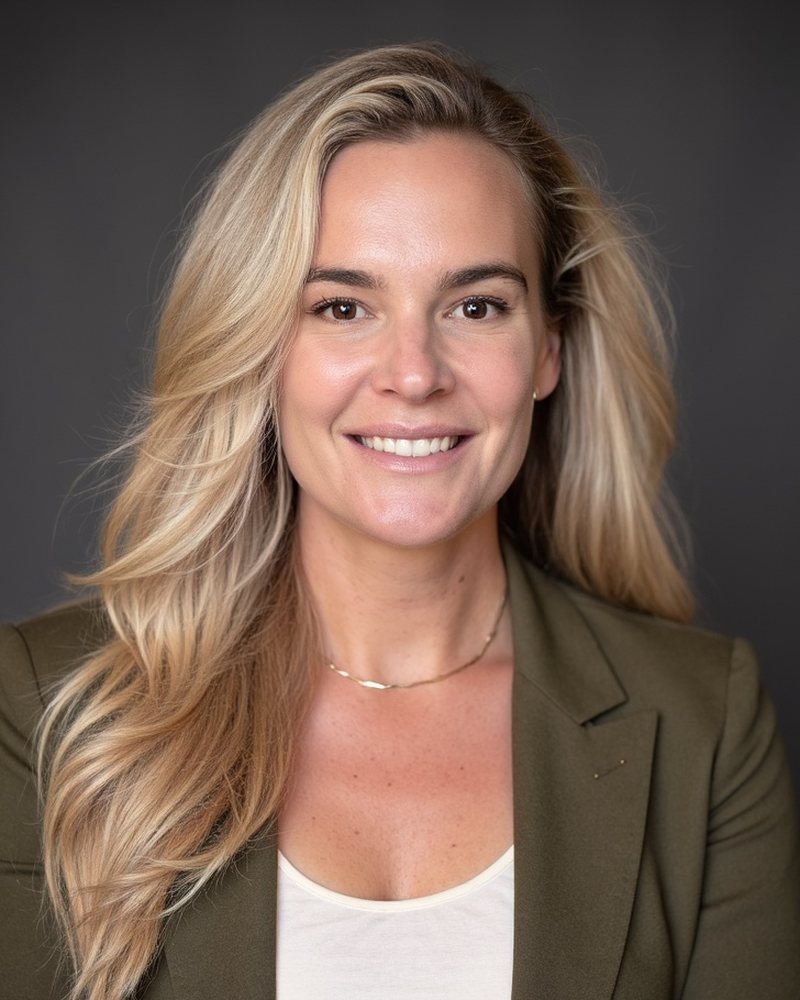
Aly Hollewijn, founder of Patron Health
Aly HollewijnFounder · Patron Health

I'm Aly Hollewijn, founder of Patron Health.

My career has been on the operating side of self-funding: TPA leadership and operations, claims leadership, account management, and executive leadership at a claims repricing and direct provider contracting organization. I've built COHPs, negotiated directly with health systems, run implementations, launched products, and scaled operational teams from early stage through market maturity.

That's why this practice exists. I've been on the side that made the mistake, and I've been the one who caught someone else's. I can read a claims file and tell you whether the problem is configuration, contract, or execution, and which party owns it, without needing anyone's permission to say so.

The work I want most is the room: you, your broker, and every vendor on the plan, taking the problem apart until someone owns it. Your plan is paying for the gap, and that deserves a direct conversation before it costs another quarter, not a status call that ends where it started. I'm there to pressure-test what each party is telling you and leave with a plan that holds up. More about me →

Policy and industry work

I've contributed to federal rulemaking on the No Surprises Act and the CARES Act, and I serve on the Society of Professional Benefit Administrators Transparency Taskforce, where the administration industry works through how transparency rules actually get implemented. I've served on national boards in health plan administration.

The practical upshot: I know the difference between what a regulation requires and what a vendor says it requires.

Patron Health also runs a separate practice advising TPAs, MGUs, and vendors on their own operations and strategy. A written conflict policy governs it. I never advise an organization and evaluate that same organization for a plan at the same time. I disclose any vendor relationship from the prior two years before taking plan-side work, and you decide whether it matters. Any plan-side client can ask for my vendor-client list at any time. Read the policy →

Most problems I solve myself. Some need a specialist.

I keep a network of senior operators, each with decades in the functions where the hardest cases live. They've run these areas themselves. They aren't generalists.

When a case needs that depth, I bring them in directly through Patron Health. You get the specialist, you still have one point of accountability, and you don't have to manage another vendor to get there.

Underwriting Pharmacy benefit Claims repricing Case management Utilization management

BS Health Care Administration, minor in Project Management, George Fox University
MBA Finance in progress, Southern Utah University
SHRM-CP · Lean Six Sigma Black Belt

Tell me what's broken.

If you're in the middle of a problem, describe it and I'll tell you honestly whether I can help. If you're choosing a vendor, tell me who's on the shortlist. If you're weighing a retainer, we can walk through your vendor stack and where the exposure is.

Bozeman, Montana
LinkedIn →

Running a TPA, MGU, or vendor organization? Backing one?

Patron Health has a separate practice for fractional COO and CSO work with the companies that serve these plans, and a diligence practice for the investors vetting them. Both run under a published conflict policy.

Operator advisory → Diligence advisory →